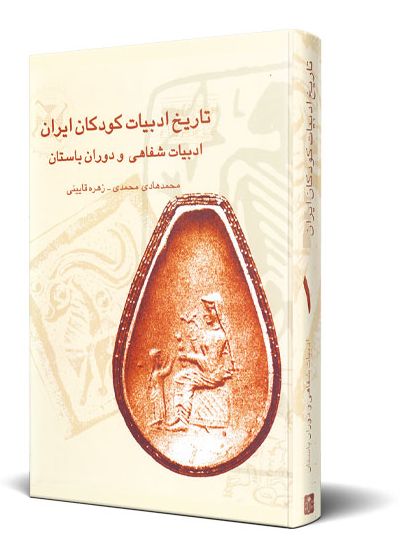
History of Children’s Literature in Iran Vol. 1
Section One: Children’s Oral Literature
Chapter One - Narrating a Land’s Childhood
Chapter Two - Folk Culture and Children’s Literature
Chapter Three - Narrators Across Oral Culture

Publication Timeline of the Ten-Volume Series, from Year 1380 to 1392
Volumes 1 to 10
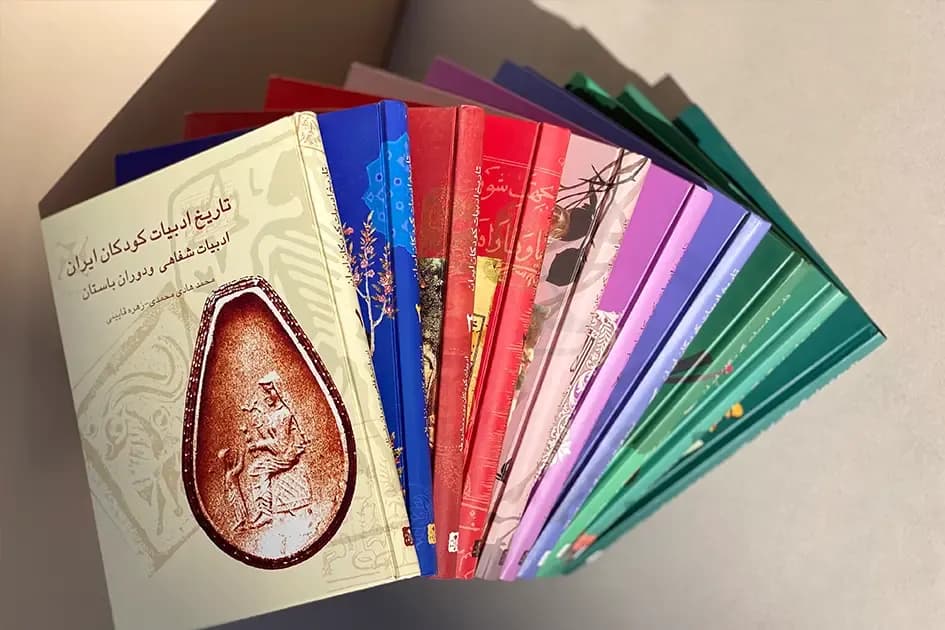
The History of Children’s Literature in Iran is a research project to understand the historical course of children’s literature in Iran and to examine the elements, genres, and forces that shaped it. The plan was approved in 1375 SH, and writing of its reference book series began in 1376 SH. Drawing on reliable historical documents, the research follows the formation of children’s literature from folklore, legends, lullabies, and songs through antiquity, the post-Islamic era, the Constitutional period, and modern children’s literature. Alongside social, cultural, educational, and pedagogical change, it also addresses the children’s literature of Iran’s diverse peoples and religions, offering a comprehensive picture of the child’s place and of how society’s view of children’s needs and literature has changed through history.
The History of Children’s Literature in Iran is a research project on the historical course of children’s literature in Iran and the elements and genres that shape it. The research group approved the preliminary plan in 1375 SH and began writing the reference book series of the same name in 1376 SH.
This research project begins at the rise of the idea of culture and letters in Iran—with oral literature or folklore, including legends, lullabies, and songs. Across chapters on the history of children’s literature in antiquity, after Islam, in the Constitutional era, and in modern children’s literature, Iran’s economic, social, and cultural conditions are examined so that, in historical context, the place of children, society’s view, and especially each era’s outlook on the child, modern schooling, and the literature available can be studied and analyzed. When did attention to the child as different from the adult, with distinct wishes and needs, begin? How did scholars and thinkers define the child and children’s needs? When truly does the history of children’s literature in Iran begin? To which periods do the first books written for children belong? The History of Children’s Literature in Iran has sought, with reliable historical documents and scholarly reasoning, to answer each of these questions.
The first children’s books certainly did not appear overnight. Across history, factors such as changing educational and pedagogical attitudes, the lasting appeal of legends and folk tales among children and young people, the simplification of Persian prose, the influence of modern Iranian literature, the arrival of the printing press in Iran and book production on a wider scale, the founding of new schools in Iran, and the growth of child psychology and attention to children’s needs helped bring about the category of “children’s literature” and the publication of the first children’s books. The History of Children’s Literature in Iran is a comprehensive study: it not only traces the formation of children’s literature from oral and ancient beginnings, but also examines and evaluates the children’s literature of Iran’s diverse peoples and religions—from Azeri and Kurdish literature to Assyrian, Armenian, Jewish literature, and more.
Publication Timeline of the Ten-Volume Series, from Year 1380 to 1392
After five years of continuous work we published volumes one and two of The History of Children’s Literature in Iran with Cheesta Publishing. Volume one covered oral literature and children’s literature in antiquity and the Islamic period. From the start we knew children’s literature is not separate from social and cultural structure—especially education. So we planned our work to move from the general to the particular: from the overall state of society to culture and schooling, then to the special forms of children’s literature in each historical period. With that method we already knew the scale of the task. We designed the series for ten volumes.
Volumes three and four of The History of Children’s Literature were published, covering culture, education, and children’s literature in the Qajar period.
We published three volumes of The History of Children’s Literature in Iran covering the first and second Pahlavi periods (1300–1340 SH).
We reached the period 1340–1357 SH—a sensitive era when children’s literature had become a widespread institution. There was the Institute for the Intellectual Development of Children and Young Adults, with more than a hundred children’s and young adult libraries across Iran and its publishing house, and the Children’s Book Council guiding and overseeing children’s literature. It was a time when young and emerging writers such as Samad Behrangi drew greater attention to children’s literature and made it a nationwide phenomenon.
Volumes eight, nine, and ten of this series were finished and we completed a major work—alas, the blade of censorship suddenly sharpened and cast its shadow over these three books.
For six years these three books waited to be published, and in that time Iran’s political, social, and economic conditions shifted so that after their release in 1392 SH we no longer had that earlier society so full of hope.
Volumes 1 to 10
Section One: Children’s Oral Literature
Chapter One - Narrating a Land’s Childhood
Chapter Two - Folk Culture and Children’s Literature
Chapter Three - Narrators Across Oral Culture
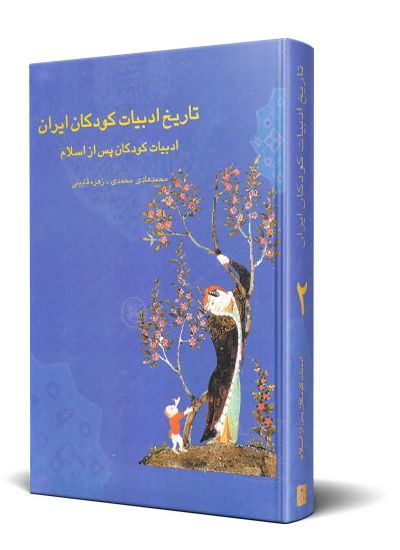
Section One: Children’s Literature from the 1st to 5th Century AH
Chapter One - History of Iran After Islam
Chapter Two - Culture in Iran
Chapter Three - How Children Live
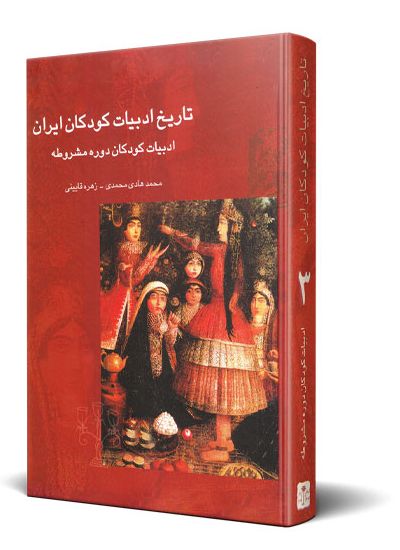
Section One: Traditional Children’s Literature
Chapter One - Iran in the Constitutional Era
Chapter Two - Culture in Iran
Chapter Three - The Child’s Place
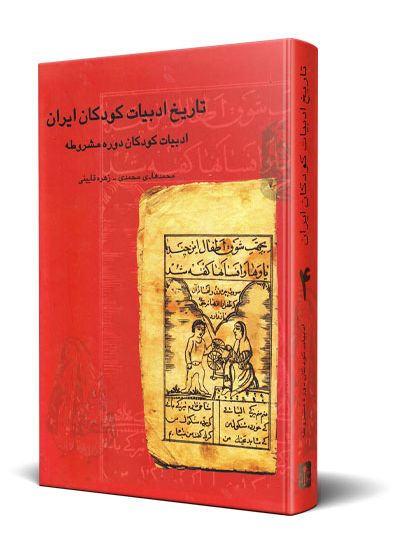
Section Three: Formation of Children’s Narrative Literature
Chapter Eighteen - Translation in Iranian Children’s Literature
Chapter Nineteen - Emergence of the Young Adult Novel
Chapter Twenty - Formation of Children’s Literature Criticism
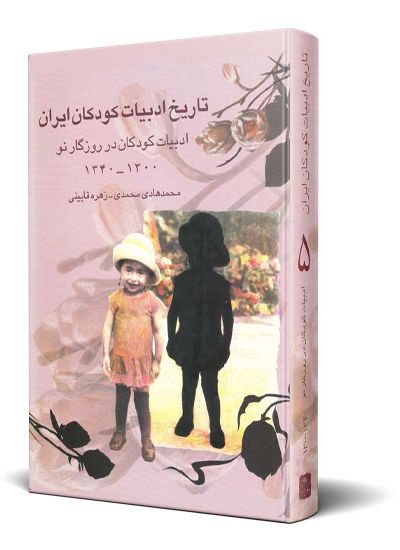
Section One: Iran in the Modern Era
Chapter One - Iran in the Modern Era
Chapter Two - Culture in Iran
Chapter Three - The Child’s Place and the Changing Concept of Childhood
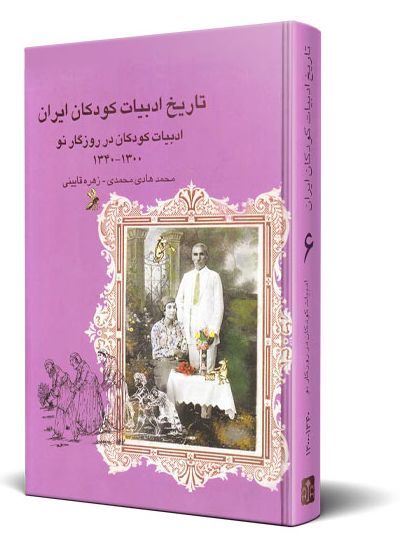
Chapter Twelve: Collection and Rewriting in Children’s Literature
Chapter Thirteen: Short Stories and Young Adult Novels
Chapter Fourteen: Translation in Children’s Literature
Section Four: Children’s and YA Periodicals
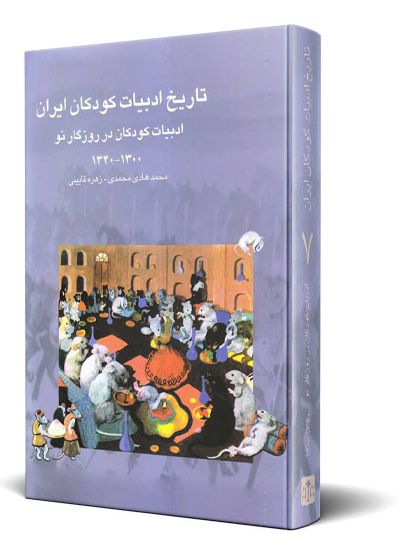
Section Seven: Criticism in Children’s Literature
Chapter Eighteen: Criticism in Children’s Literature
Section Eight: Children’s Dramatic Literature
Chapter Nineteen: Children’s Dramatic Literature
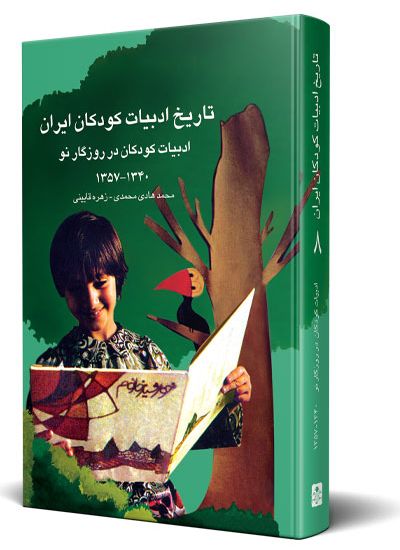
Section One
Chapter One: General Situation
Chapter Two: Culture
Chapter Three: The Child’s Life and Place
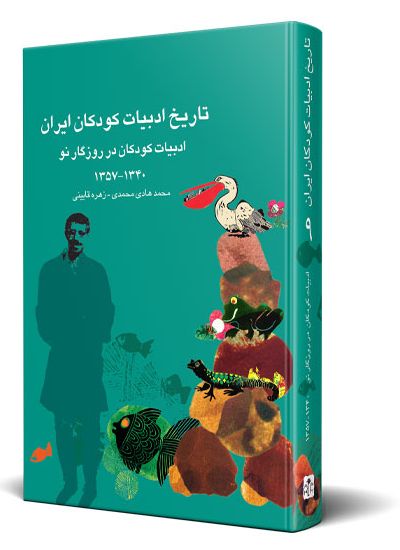
Section Four
Chapter Eleven: Authorship
Chapter Twelve: Realist Provinces
Chapter Thirteen: Allegorical Stories
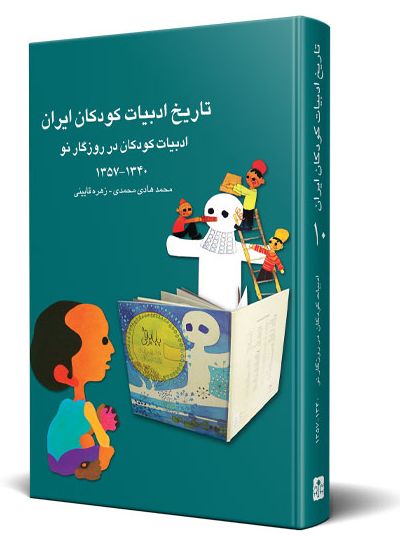
Section Six
Chapter Twenty-Four: Criticism
Section Seven
Chapter Twenty-Five: Periodicals